Why the Green Season is the Best Time to Experience Nature in Chiang Mai
When most people think about visiting Chiang Mai, they picture the cool season between November and February. The rainy season, often referred to locally as the “green season”, is often overlooked. Yet for those who enjoy nature, forests, waterfalls, and escaping the crowds, it can be one of the most rewarding times of year to explore Northern Thailand.
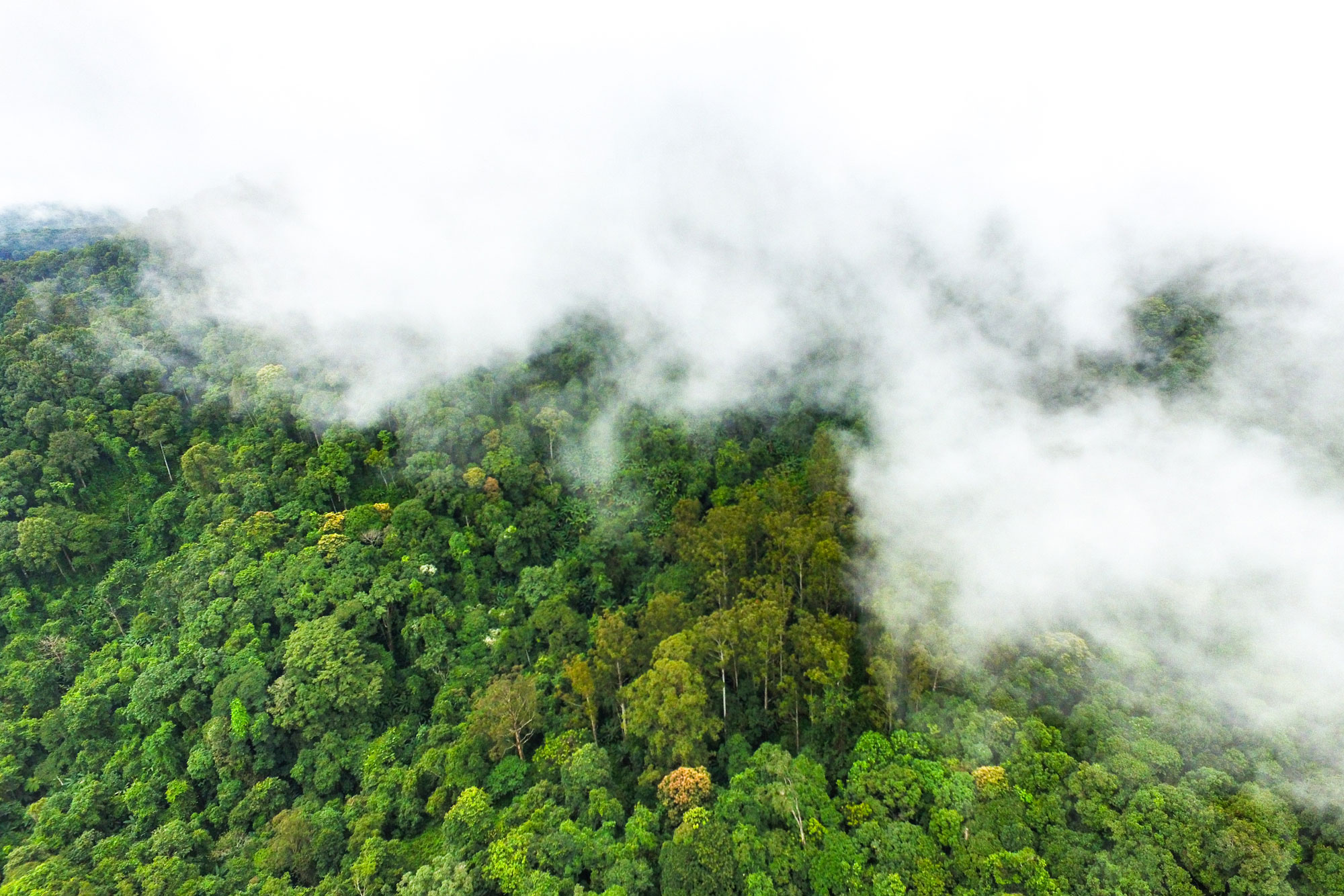
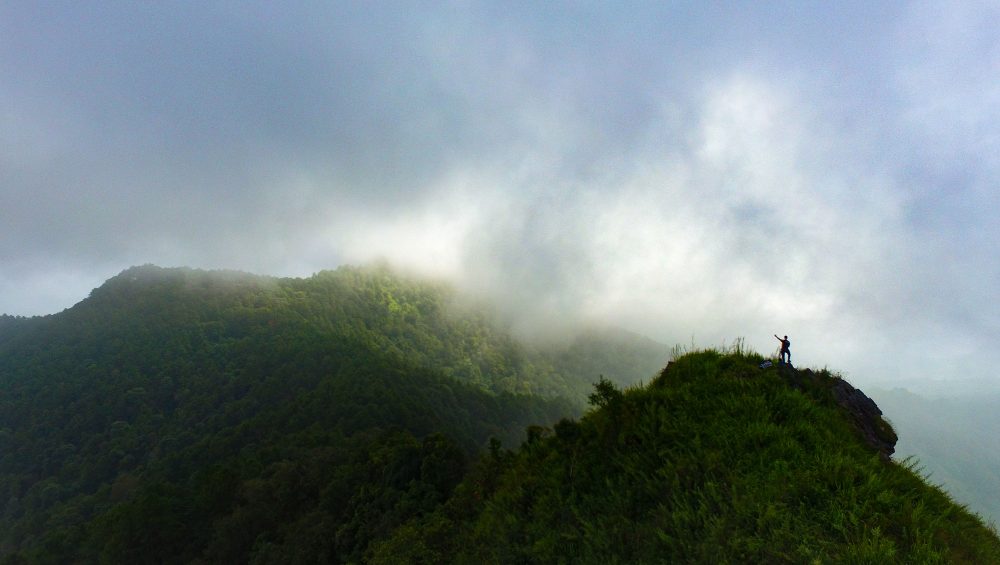
Having spent countless days exploring Chiang Mai’s forests throughout the year, I’ve come to appreciate the green season more than any other. While many visitors worry about the rain, it’s often during these months that the mountains, waterfalls, and forests are at their most spectacular. All photographs in this article were taken during the green season in locations visited on our tours and personal hikes around Northern Thailand.
The green season typically runs from June through October, bringing regular rainfall that transforms the landscape. Hillsides become vibrant green, streams begin flowing again, and the forests come alive after the long dry months.
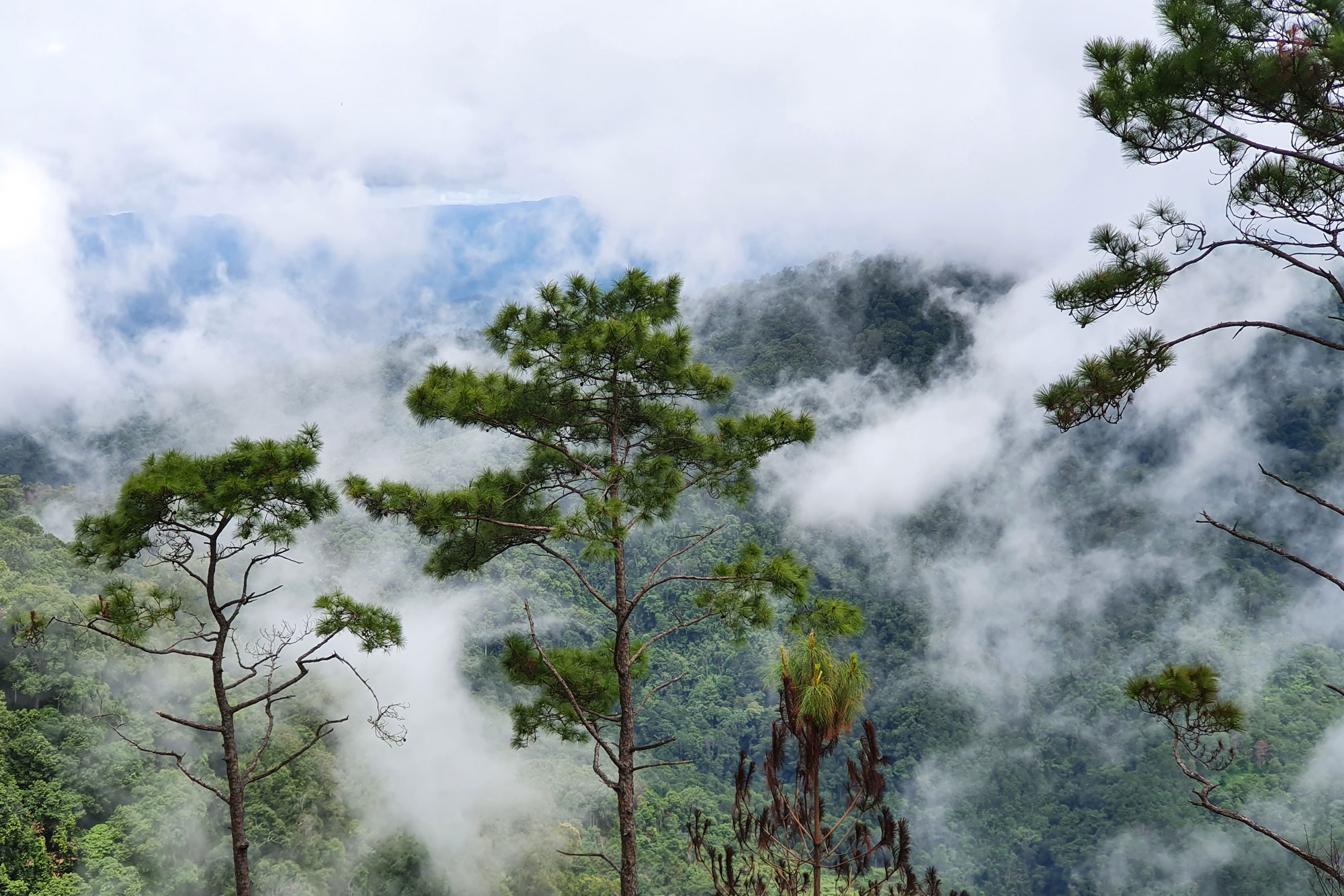
The Forest is at its Most Beautiful
By the end of the hot season, much of the countryside around Chiang Mai can look dry and dusty. Once the rains arrive, everything changes remarkably quickly. This is when Chiang Mai tours can be at their best.
Rice fields fill with water and turn brilliant shades of green. Ferns, mosses, and wildflowers appear almost overnight. The mountains become cloaked in mist, creating dramatic landscapes that are rarely seen during the peak tourist season.
For photographers and nature lovers, this is arguably the most beautiful time of year.
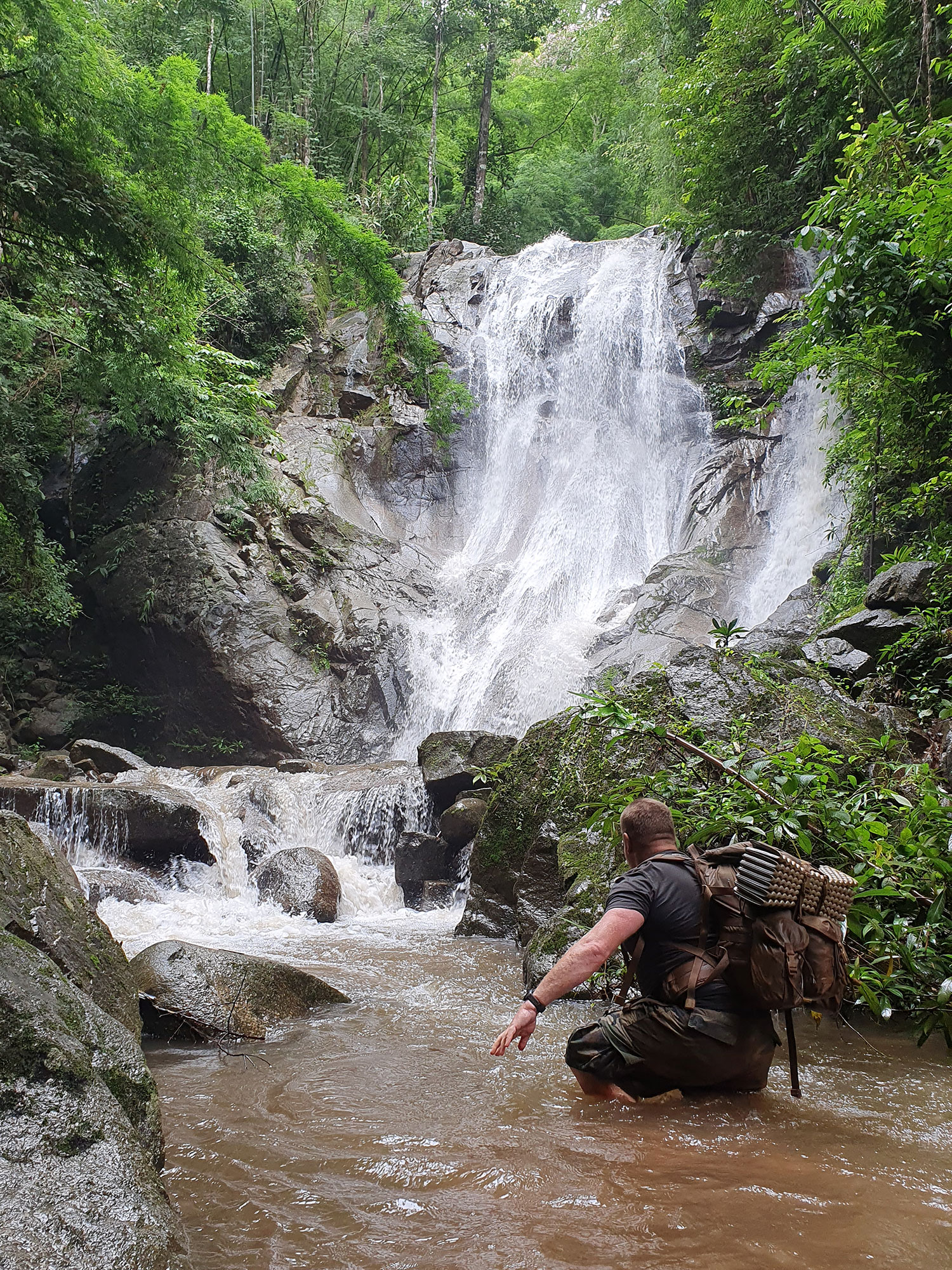
Waterfalls Return to Full Flow
One of the biggest advantages of visiting during the green season is the waterfalls.
Many waterfalls around Chiang Mai are at their most impressive after several weeks of rain. Water cascades through the forest, rivers run clear, and the sound of flowing water accompanies many hikes.
If you’re exploring nature trails around Chiang Mai, this is when the landscape feels most alive and we highly recommend experiencing trekking in Chiang Mai during the rainy months.
Fewer Tourists, More Tranquility
The rainy season is generally considered the low season for tourism, but that comes with some significant benefits.
Popular viewpoints are quieter, trails are less crowded, and there’s a greater sense of immersion in nature. Rather than sharing a scenic viewpoint with large groups of visitors, you may find yourself enjoying the experience in near solitude.
For many people, that alone makes the green season worthwhile.
Does It Rain All Day?
One of the biggest misconceptions about Chiang Mai’s rainy season is that it rains constantly.
In reality, many days begin with sunshine before clouds build over the mountains later in the day. Rain often arrives as a short but intense shower before clearing again, leaving behind cooler temperatures and fresh mountain air.
Another common source of confusion is weather apps. Visitors often see a forecast showing a 100% chance of rain in Chiang Mai and assume the entire region will be wet all day. In reality, rainfall during the green season is often highly localised. One valley may experience a heavy downpour while another area just a few kilometres away remains completely dry.
Of course, some days are wetter than others, and occasionally a weather system will bring prolonged rainfall. However, it’s surprisingly uncommon to experience continuous rain from morning until evening for days on end. A flexible attitude and a lightweight rain jacket are usually all that’s needed to enjoy the outdoors during the green season.
A lightweight rain jacket and a flexible attitude are usually all that’s required.
Let’s Talk About Leeches
Leeches are one of the first things people ask about when considering a trek during the rainy season.
The reality is far less dramatic than many online articles suggest.
Leeches do become more active in wet forest environments, particularly on less-travelled trails. However, they’re generally more of an annoyance than a genuine concern. Most encounters are minor, and simple precautions such as wearing long socks and avoiding sandals on forest hikes are usually enough. A good tip is to use some insect repellent to keep them at bay.
It’s worth remembering that thousands of people enjoy outdoor activities throughout Northern Thailand every rainy season without issue.
And Yes, There Are More Bugs
The green season brings an increase in insect activity. You’ll notice more butterflies, beetles, ants, and various other insects throughout the forest.
Mosquitoes can also be present, particularly around dawn and dusk, so insect repellent is always recommended.
For some visitors, this can be a downside. For others, it’s simply a reminder that the forest is functioning exactly as it should. The rains support an incredible variety of plant and insect life, all of which play an important role in the ecosystem.
What Should You Bring?
If you’re planning to explore Chiang Mai’s forests during the green season, we recommend bringing:
A lightweight waterproof jacket
Quick-drying clothing
Walking shoes or hiking shoes with good grip
Insect repellent
A spare pair of socks
A dry bag or waterproof cover for electronics
A reusable water bottle
Being prepared allows you to focus on enjoying the experience rather than worrying about the weather.
Why the Green Season Remains My Favourite
After many years of hiking and guiding in Northern Thailand, the green season remains my favourite time to be in the forest.
The trails are quieter, the air feels fresher, and the landscape is transformed by the rain. Yes, you’ll occasionally encounter mud, mosquitoes, or the odd leech, but that’s all part of experiencing nature as it should be.
If you’re looking for guaranteed sunshine every day, the cool season may be a better choice. But if you’re looking to experience Chiang Mai’s forests at their most vibrant, lush, and alive, don’t overlook the green season.
You might just discover it’s the best time of year to visit.
All photographs featured in this article were taken by the author during hikes and tours around Chiang Mai during the green season. We believe there’s no better way to showcase Northern Thailand’s natural beauty than through real experiences and real photographs taken in the places we explore and will never use AI images.