Chiang Mai Weather & Rain: Should You Actually Worry About the Forecast?
You’ve booked your trip to Chiang Mai, checked the weather forecast and suddenly every day seems to show thunderstorms and rain.
Don’t panic.
One of the most common questions we receive from guests at Eco Tours Chiang Mai is whether rain will ruin their tour. During the green season, weather apps can make Chiang Mai look as though it experiences non-stop rain for weeks at a time. The reality on the ground is usually very different.
A 60% chance of rain does not mean it will rain for 60% of the day, and a thunderstorm symbol certainly doesn’t mean you should cancel your plans.
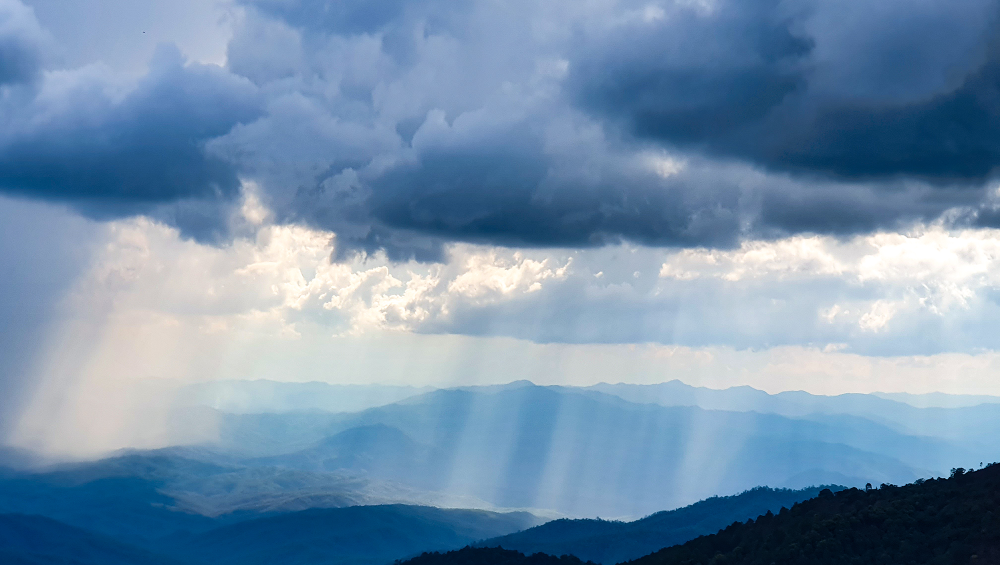
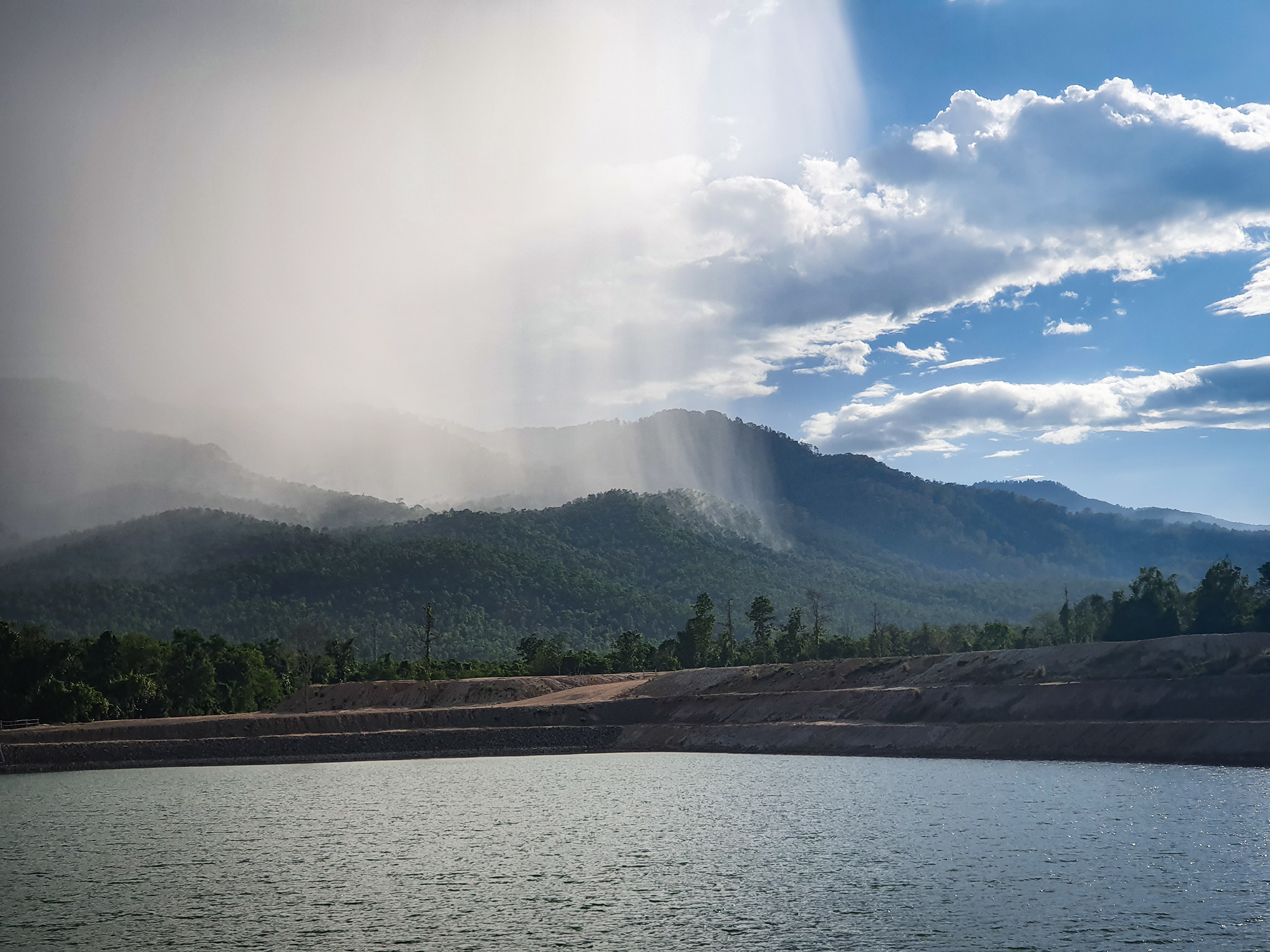
Chiang Mai’s tropical climate, mountains and highly localised weather mean it can be pouring with rain in one part of the province while another area remains completely dry. Even during the wettest months, it’s common to have long periods of perfectly good weather followed by a heavy shower later in the afternoon or evening.
And for many of the experiences we offer, a little rain isn’t necessarily a bad thing. The forests become incredibly green, waterfalls are at their best, temperatures are more comfortable for trekking, and the countryside looks completely different from the dry season.
So rather than simply showing you another weather forecast, this guide is designed to help you understand what the forecast actually means for your day in Chiang Mai.
Chiang Mai Weather — Next 3 Days
Here’s the current forecast for Chiang Mai city. Select a day to send its rain probability to our forecast decoder below.
Weather data provided by WeatherAPI.com. Forecasts are for general information only and may not reflect conditions at your exact location.
Will the Rain Ruin My Tour?
Chiang Mai weather forecasts often look much worse than the weather actually turns out to be. Tell us what your forecast shows and we’ll help you understand what it really means for your day.
This tool helps interpret typical Chiang Mai weather patterns. It isn’t a weather forecast and can’t predict local conditions on a particular day. For weather-sensitive activities, our guides always put safety first.
What Does a 60% Chance of Rain in Chiang Mai Actually Mean?
This is probably the biggest source of confusion when visitors check the weather before coming to Chiang Mai.
If your weather app shows a 60% chance of rain, it does not mean that it will rain for 60% of the day. Nor does it necessarily mean that 60% of Chiang Mai will be wet.
In simple terms, it means there is a 60% probability of measurable rain occurring at your forecast location during the specified forecast period.
That’s an important distinction in Chiang Mai.
The province covers a large area of mountains, valleys, forests and urban areas, and weather conditions can vary considerably over relatively short distances. It isn’t unusual for us to experience heavy rain in one area while another location remains completely dry.
This becomes particularly noticeable on tours that travel outside Chiang Mai city and into the mountains.
A forecast for Chiang Mai city, for example, doesn’t necessarily tell you exactly what conditions will be like in Mae Kampong, Doi Inthanon, Mae Taeng or other mountainous areas.
Why Does My Weather App Show Thunderstorms Every Day?
If you’re visiting during the Chiang Mai rainy season, this can be slightly alarming.
You open your weather app and see:
Monday ⛈️
Tuesday ⛈️
Wednesday ⛈️
Thursday ⛈️
Friday ⛈️
It looks like you’ve booked the worst possible week for a holiday.
In reality, those symbols can be misleading if you interpret them as an all-day forecast.
A thunderstorm icon may simply indicate that thunderstorms are possible at some point during the forecast period. You could still have a dry morning, several hours of sunshine and a heavy shower late in the afternoon.
This is why we recommend looking at the hourly forecast as well as the daily weather symbol.
And even then, remember that you’re looking at a forecast rather than a guarantee.
When Is the Rainy Season in Chiang Mai?
Chiang Mai’s rainy or green season generally runs from around May until October, although nature doesn’t follow a precise calendar.
The amount and frequency of rain normally increase as the season progresses, with August and September typically among the wetter months. By November, conditions usually become noticeably drier as Chiang Mai enters its cooler season.
But “rainy season” is perhaps an unfortunate description for visitors.
It can create the impression of months of continuous grey skies and rain. Chiang Mai’s wet season is generally nothing like that.
There can certainly be prolonged periods of rain, particularly when larger weather systems affect Northern Thailand, but much of the season consists of a mixture of sunshine, cloud and tropical showers.
That’s why we often prefer the term green season.
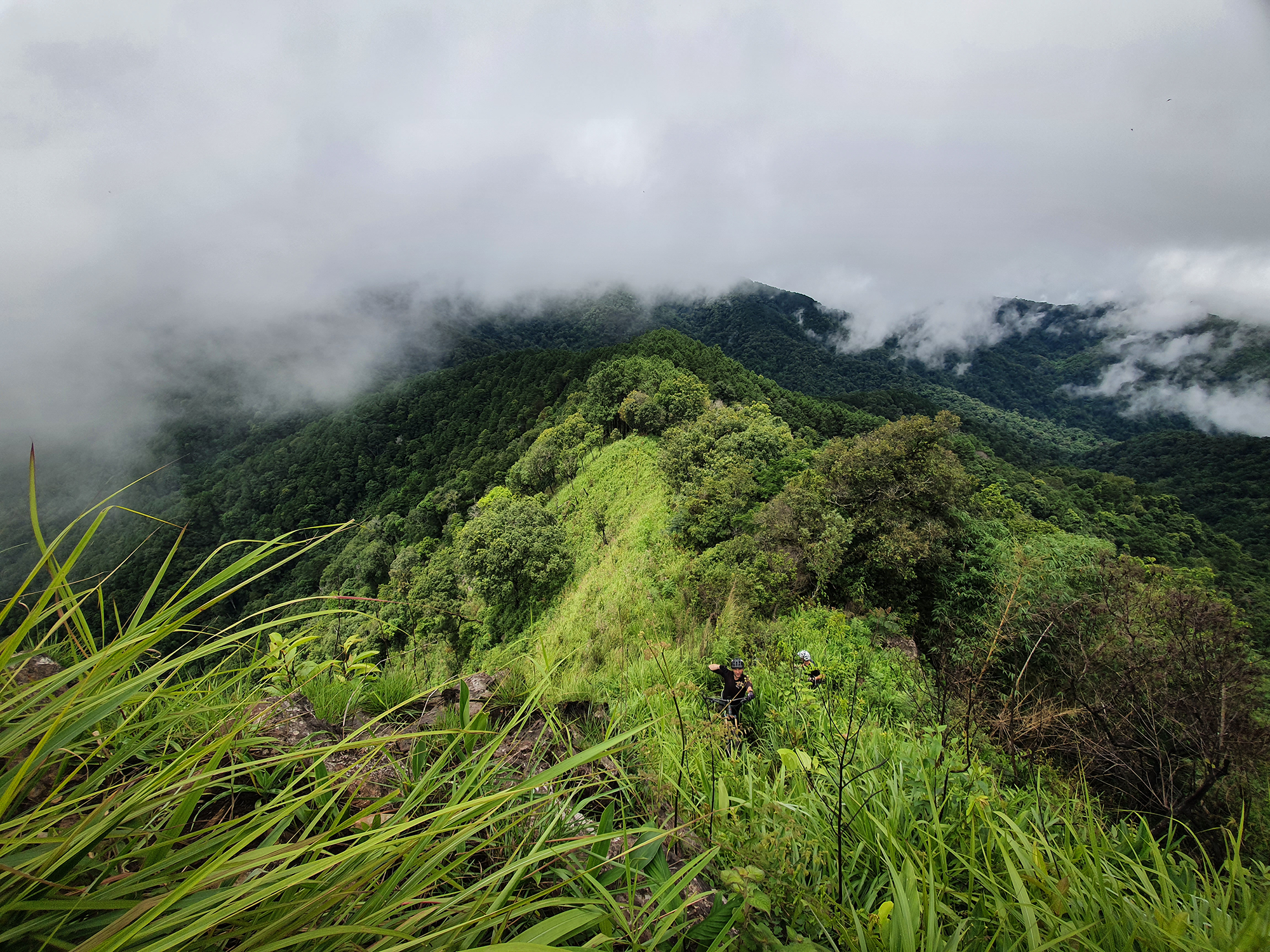
This is when the mountains around Chiang Mai become intensely green, streams and waterfalls fill with water and the countryside comes back to life after the hotter, drier months.
For nature-based activities, it can be one of the most beautiful times of the year to visit.
What Time Does It Usually Rain in Chiang Mai?
There isn’t a reliable clock for Chiang Mai’s rain, but during the green season afternoon and evening showers are common.
Heat and humidity build during the day, and thunderstorms can develop later.
That can mean perfectly good conditions for much of the morning followed by a sudden tropical downpour in the afternoon.
However, don’t plan your entire holiday around the assumption that it only rains after 3pm. Rain can arrive in the morning, continue overnight or occasionally affect much of the day.
Mountain weather is particularly difficult to predict precisely.
The practical lesson is simple: look at the timing of the forecast, not just the rain percentage or weather icon.
A 70% chance of rain at 6pm is very different for your plans from heavy rain forecast throughout the morning.
Is Chiang Mai Worth Visiting During the Rainy Season?
Absolutely — provided you arrive with realistic expectations.
There are actually some significant advantages to visiting Chiang Mai during the green season.
The forests and rice fields are greener, waterfalls are much more impressive, there are generally fewer visitors than during the peak winter months, and cloud cover can make outdoor activities such as trekking more comfortable.
For us, it’s also one of the most rewarding times to experience the countryside around Chiang Mai.
There are disadvantages too.
Trails can be muddy, viewpoints may occasionally disappear behind cloud, outdoor plans need a little more flexibility and heavy rain can affect activities where water levels or road conditions are important.
But if you’re imagining that visiting Chiang Mai in July, August or September means sitting inside your hotel watching it rain all day, that’s usually not the reality.
Which Chiang Mai Tours Are Most Affected by Rain?
Not every activity is affected by rain in the same way.
Jungle trekking: Light rain usually isn’t a problem and can make the forest particularly beautiful. The bigger consideration is trail condition. After heavy rain, some paths can become muddy or slippery.
Mae Kampong: Rain and mist actually suit Mae Kampong rather well. It’s a mountain village surrounded by forest, so a cloudy day isn’t necessarily a bad day. Trekking sections can become slippery after heavier rain.
Bamboo rafting: This is different. The important factor isn’t simply whether it’s raining above your head. Heavy rainfall upstream can change river levels and currents. Local conditions and safety assessments therefore take priority over what a weather app says.
Elephant experiences: Rain doesn’t automatically prevent a visit, although you should expect mud during the wetter months. Clothes and footwear that you don’t mind getting dirty are a good idea.
Cycling: Short showers are usually manageable, but prolonged heavy rain can make some routes slippery and less enjoyable.
Temples and sightseeing: These are among the easiest days to adapt around the weather. A heavy shower can often be waited out or the itinerary adjusted.
Private car and driver: Having your own vehicle gives you considerable flexibility. If conditions aren’t ideal somewhere, your route and timing can often be adapted during the day.
Should I Cancel My Chiang Mai Tour if Rain Is Forecast?
In most cases, no.
If every tour in Chiang Mai were cancelled whenever a weather app displayed a rain symbol during the green season, very little would operate between May and October.
We wouldn’t recommend cancelling an activity simply because you see a thunderstorm symbol or a high percentage of rain several days in advance.
Instead, look at:
the hourly forecast, rather than just the daily icon;
whether rain is expected to be brief or prolonged;
the location you’re actually visiting;
and whether your activity is particularly sensitive to weather or water levels.
Most importantly, conditions closer to the time are considerably more useful than repeatedly checking a ten-day forecast before you travel.
For our own tours, we keep an eye on local conditions and our guides and communities can make decisions based on what is actually happening on the ground.
Safety always comes before sticking rigidly to an itinerary.
What Should I Bring During Chiang Mai’s Rainy Season?
You don’t need to pack for an expedition simply because you’re travelling between May and October.
A lightweight rain jacket or poncho is much more useful than a heavy waterproof coat in Chiang Mai’s warm, humid climate.
For trekking, footwear with decent grip is important. Quick-drying clothing is also useful, and a small waterproof bag or dry bag can protect your phone, passport and other valuables during a sudden downpour.
An umbrella can be handy around the city, although it’s considerably less useful when you’re walking through the jungle.
And perhaps the most useful thing to bring is a little flexibility. Tropical weather changes quickly.
So, Will the Rain Ruin Your Trip to Chiang Mai?
Probably not.
Rain is part of travelling in Northern Thailand during the green season, but the symbols on your weather app rarely tell the whole story.
A forecast showing thunderstorms for the next seven days doesn’t necessarily mean seven wet days. A 70% chance of rain doesn’t mean 70% of your day will be lost. And weather in Chiang Mai city doesn’t necessarily tell you what is happening in the mountains.
Use our rain forecast decoder above to put the numbers into context, check the hourly forecast closer to your tour date and don’t be frightened by a few rain clouds.
Some of our favourite days in the forests and mountains around Chiang Mai happen during the green season. In fact, experiences such as our Hidden Jungle Trek in Mae Kampong can be particularly beautiful when the forest is lush, waterfalls are flowing and a little mist hangs over the mountains.
Rain doesn’t necessarily stop our Trekking and Bamboo Rafting tour either, although river conditions are always assessed locally and safety takes priority after periods of heavy rainfall.
If you’re still deciding what to do during your stay, you can browse all of our Chiang Mai tours, including trekking, village experiences, cycling, elephants and private day trips.
Chiang Mai Weather FAQs
Quick answers to some of the questions we’re most often asked about rain and weather in Chiang Mai.
Does it rain all day during the rainy season in Chiang Mai?
Usually, no. During Chiang Mai’s rainy season it’s common to have long dry periods followed by a relatively short but heavy tropical shower, often later in the day. There can occasionally be days of prolonged rain, particularly when larger weather systems affect Northern Thailand, but continuous all-day rain is certainly not the norm throughout the season.
What is the wettest month in Chiang Mai?
August and September are typically among the wettest months in Chiang Mai, although rainfall varies from year to year. September is often particularly wet. That doesn’t mean it rains continuously: sunny periods, cloud and tropical showers can all occur within the same day.
Is Chiang Mai worth visiting in the rainy season?
Yes. The rainy season is also Chiang Mai’s green season, when forests, mountains and rice fields are at their most vibrant and waterfalls have much more water. There are generally fewer visitors than during the peak winter season too. You’ll need to be prepared for showers, humidity and occasionally muddy conditions, but rain doesn’t normally prevent you from exploring Chiang Mai.
What does a 70% chance of rain mean in Chiang Mai?
A 70% chance of rain does not mean it will rain for 70% of the day. It indicates the probability of measurable precipitation at the forecast location during the forecast period. In Chiang Mai, rain can also be highly localised, particularly around mountainous areas, so conditions can differ considerably from one location to another.
Should I cancel a Chiang Mai tour if thunderstorms are forecast?
Normally, a thunderstorm symbol alone isn’t a reason to cancel your plans. During the green season, weather apps frequently show thunderstorms even when much of the day remains dry. Check the hourly forecast and pay attention to local conditions closer to the time. For weather-sensitive activities, actual conditions and safety advice from local guides are more important than a weather-app icon.
Can I go trekking in Chiang Mai when it’s raining?
Light rain doesn’t normally prevent trekking and the forests can be particularly beautiful during the green season. The main consideration is the condition of the trail. Heavy or prolonged rain can make paths muddy and slippery, so suitable footwear is important and routes may occasionally need to be adjusted for safety.
What should I wear in Chiang Mai during the rainy season?
Lightweight, quick-drying clothing is ideal. A light rain jacket or poncho is generally more practical than a heavy waterproof coat in Chiang Mai’s warm and humid climate. If you’re trekking, wear footwear with reasonable grip and consider carrying a small waterproof bag for your phone and valuables.